
Is Class Structure Really a Problem in Society?
Goethe on Class Structure


For the past few hundred years, the ideas of equality and equity have been promoted as a positive for society. This has entailed attacking and renouncing class structure, order, and hierarchy as something to dispose of. According to philosopher and poet Johann Goethe, a natural class structure is what’s best for society.
BEING POOR AND HAPPY

In his book “The Sorrows of Young Werther” (1774), Goethe uses a story to discuss his various philosophical ideas. One of his philosophical ideas is class structure as viewed by the main character, Werther. Werther is young, middle class, and well-educated. He goes to the countryside to get away from his middle-class lifestyle. He looks forward to being in the outdoors and having all day to read his books by Homer.
While in the countryside, he begins to notice the simple habits and living of the lower classes. He starts to admire the servants and workers in the countryside. He begins to fall in love with an average housewife who is engaged to an upper-class man. Werther sees the lower-class people as being free from the stodgy social norms of the upper classes. Werther sees the lower-class people enjoying the small things they have in life rather than concern for social climbing or competition in life. The hardships of lower-class people are also acknowledged, such as financial struggles and criminal activity.
BEING WEALTHY AND MISERABLE

In contrast, Goethe paints the picture of upper-class people being governed by complex and unnecessary social rules. He also presents upper class people as very boring, petty, and a lack of soulfulness.
In a very telling scene in the story, Werther is at a formal dinner party with upper-class social elites. He doesn’t fit in at all and breaks various social cues. Even though he has some wealth and is educated like the upper classes, he still is lacking in abiding by the social rule of the upper classes. Werther struggles to be himself at the dinner party, whereas he can naturally be himself amongst the lower classes. The website Lit Charts states that Goethe is implying that if the upper-middle class Werther cannot fit in with the norms of the upper classes, the lower classes could not either.
GOETHE’S EXPERIENCE IN CLASS STRUCTURE
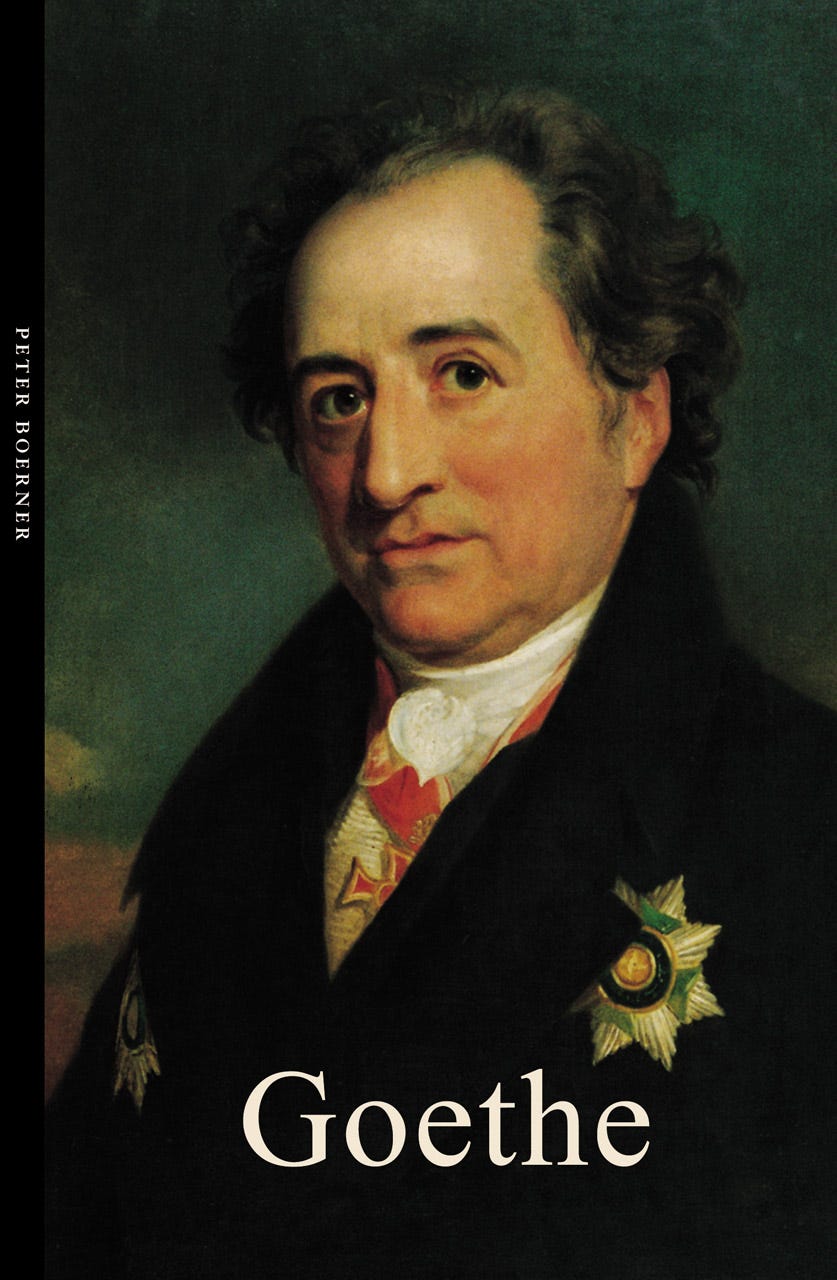
Goethe wrote the Werther character to reflect Gothe’s own life. Goethe himself was a member of the middle class, was well-educated, and served as a civil servant as a young adult. Goethe was writing about the upper class and lower class divide from his own experience.
By the late 1700s when Goethe wrote the Sorrows of Young Werther, there had been vast attempts at equality of rights and class in the Western world. France and America both led the way in the pursuit of equality, which included violent revolutions. Germany was able to pass peaceful class reforms around the same time in contrast.
Goethe accepted class structure and its divisions. He realized that forcing equality on society could cause problems. Some working-class people would not fit in with the social norms of the upper classes and they would become miserable in the process. Likewise, upper class people would not want to drop their standards and social norms to accept everyone.
Sometimes, finding happiness with what you have in your life can bring you more peace of mind than pursuing the mirage of equality.
Notes:
Goethe, Johann (1774). The Sorrows of Young Werther.
Upper Class and Lower Class Theme in The Sorrows of Young Werther | LitCharts